Camillo Golgi: 120 years since the Nobel, 100 since his death. On Saturday Pavia celebrates «Golgi Day»
Abbiategrasso, 9 October 2026
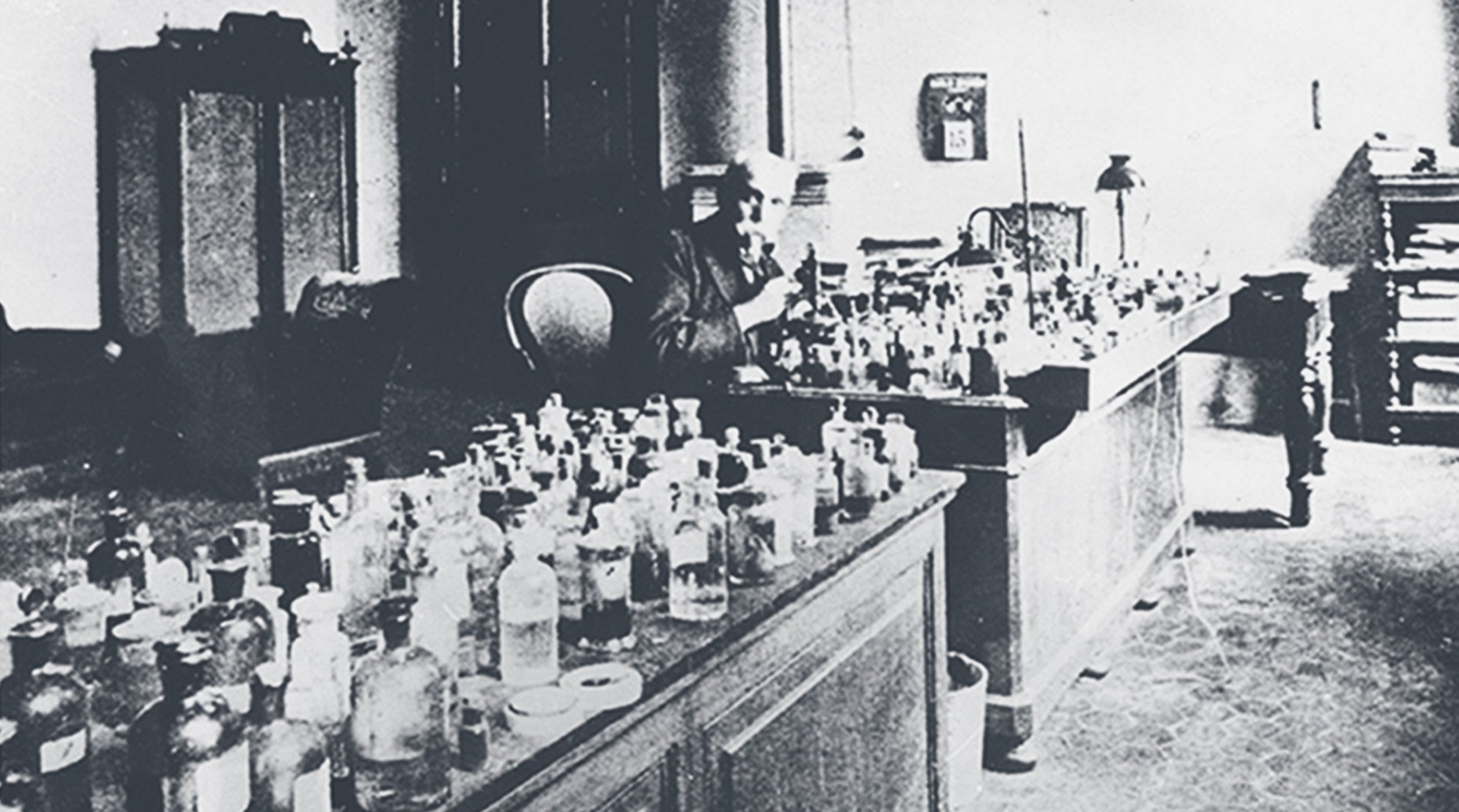
On 10 October 1906 Camillo Golgi was awarded the Nobel Prize in Medicine. Tomorrow, 120 years after the Nobel and 100 after his death, «Golgi Day» is celebrated.
Golgi, born in Pisogneto di Corteno (today Corteno Golgi) in Val Camonica on 7 July 1843, studied Medicine and Surgery at the University of Pavia.
He was one of the most important Italian histologists and neuroscientists. In Pavia he held the roles of Full Professor of General Pathology and of Histology and, in two successive terms (1893-96 and 1901-09), the office of Rector.
In 1906 he was awarded the Nobel Prize, the first Italian (together with Giosuè Carducci) to receive the recognition. In 1907 he was among the founders and became the first President of the Italian Society of Neurology: a fundamental moment, because it established the autonomy of neurology as a scientific branch separate from clinical psychiatry.
The clandestine laboratory of Abbiategrasso
Forced by his father into a secure job, Golgi accepted the post of head physician at the Pia Casa degli Incurabili in Abbiategrasso: chronic patients, poor facilities, an environment that threatened to extinguish his intellect. But he did not give up. Right in Abbiategrasso he clandestinely turned the kitchen of his lodgings into a laboratory, and there he developed the «black reaction», the staining that for the first time made the diffuse nerve network visible and that changed the course of neuroanatomy and neurohistology, leading him to the 1906 Nobel Prize in Medicine.
The tribute
We pay tribute to this great scientist, whose scientific story was also written in Abbiategrasso.
The events are free and open to the public. The University of Pavia marks the anniversary with a rich programme of initiatives, which I recommend.
The complete programme of the day on the website of the Municipality of Pavia.
Official Golgi Day programmeShare